

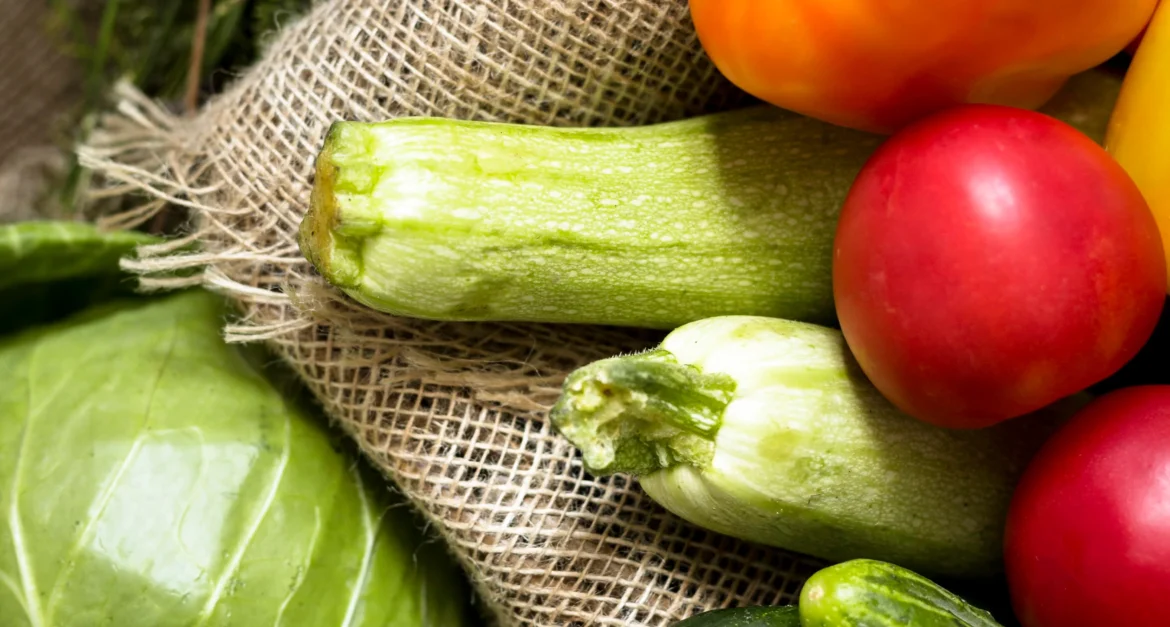
India has always been a reliable source of fresh vegetables for global buyers. Many importers look to India when they need steady supply, strong flavour profiles and competitive pricing. Whether it’s regular items like onion and ginger or speciality vegetables supplied according to regional demand, Indian exporters support a wide range of international markets.
Exporting vegetables may look simple from the outside, but it involves multiple checks, careful selection and proper handling. Buyers often prefer working with exporters who understand sorting, sizing, packaging and documentation because these steps affect how fresh the product remains on arrival. This guide explains how international buyers source Indian vegetables and what they should expect when working with experienced exporters.
Why International Markets Prefer Indian Vegetables
Indian vegetables have built a strong presence in Middle Eastern, Asian and African markets. Importers depend on Indian produce due to factors like:
- steady availability across regions
- strong flavour and freshness
- competitive pricing for bulk imports
- short transit times to key markets
- flexible volume supply
- experienced exporters across major agricultural belts
Because India has diverse agricultural zones, buyers get good sourcing options throughout the year.
Vegetables Commonly Exported From India Today
The export basket changes depending on season and market demand. At present, many buyers regularly source these high-demand items:
Green Chilli
Known for strong flavour and heat, green chilli travels well when packed correctly and is in steady demand across Gulf and Asian markets.
Onion
Indian onions are widely exported due to their size, flavour and year-round production cycles.
Ginger
Fresh ginger holds its firmness and aroma well when handled properly, making it a preferred item for food service buyers and wholesalers.
Drumstick
A popular export item in markets with heavy South Asian communities, where it’s used regularly in cooking.
Suran (Yam)
Suran has a dedicated demand in several markets and requires proper cleaning, sorting and packaging for export stability.
These items form your current export offering, and the same process can accommodate more vegetables as your product list expands.
How Buyers Evaluate Indian Vegetable Exporters
International buyers focus on certain indicators when choosing an export partner. These include:
- quality consistency
- sizing and grade accuracy
- clean sorting and washing (where required)
- correct packaging for long-distance movement
- moisture and freshness control
- reliable documentation
- shipping timelines and communication
- capacity to supply regular volumes
These checks help importers reduce losses and ensure the produce reaches their stores or wholesale markets in good condition.
Export Packaging Standards for Vegetables
Fresh vegetables must be packed in formats that protect them during handling and transit. Exporters usually use:
- mesh bags (common for onion and ginger)
- netted bags
- ventilated cartons
- food-safe liners
- sturdy outer boxes for sensitive items
Proper ventilation is essential for vegetables like onion, chilli and ginger.
Documentation and Compliance Requirements
Vegetable exports require several documents, depending on the destination country. These usually include:
- phytosanitary certificate
- certificate of origin
- invoice and packing list
- APEDA registration where applicable
- residue or quality checks (for certain items)
- export inspection documents when required
Accurate documentation helps avoid delays at the destination port.
Understanding Handling and Transit Factors
Different vegetables have different requirements, but exporters generally ensure:
- proper pre-export sorting
- moisture checks for items like ginger and suran
- correct ventilation settings
- dry and clean packing materials
- fast movement from packhouse to container
- stable conditions during transit
Vegetables like onion, ginger and chilli need protection from excess moisture, while drumstick requires careful handling to prevent bruising.
Seasonal and Regional Considerations
Some vegetables are available year-round, while others follow regional harvest cycles. Exporters usually plan sourcing from:
- Maharashtra (onion, green chilli)
- Karnataka (drumstick, ginger)
- Gujarat (suran and other root vegetables)
- Tamil Nadu (mixed vegetables depending on season)
Buyers who plan early often secure better quality and stable prices.
Why Choosing the Right Export Partner Matters
A dependable exporter helps buyers avoid common challenges like:
- quality variation
- poor packaging
- documentation delays
- moisture issues
- inconsistent supply
- communication gaps
Working with the right partner ensures that each batch meets expected quality levels and reaches its destination on time.
How TMA LLP Supports International Buyers
TMA LLP exports vegetables such as green chilli, onion, ginger, drumstick and suran, meeting bulk order requirements for international markets. Our support includes:
- sourcing from reliable farms
- proper grading and sorting
- export-grade packing
- handling of certifications and documents
- smooth container loading
- timely coordination with shipping lines
For a detailed view of our workflow, you can visit our vegetable export service page.
Conclusion
Indian vegetables continue to supply a wide range of global markets due to their freshness, flavour and consistent availability. With proper sorting, packaging and documentation, buyers receive reliable quality across multiple shipments. Choosing an experienced exporter helps reduce risk, maintain product quality and support long-term sourcing.
