

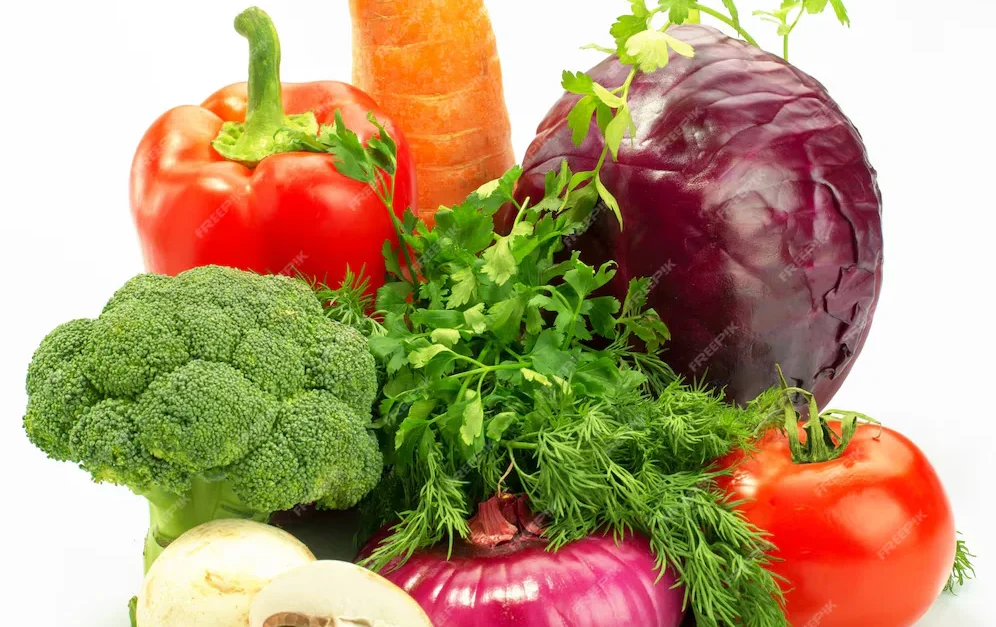
Fresh vegetable imports have quietly become a routine part of procurement for many Indian businesses. Hotels, QSRs, supermarkets and even some wholesale distributors now depend on imported broccoli, lettuce, mushrooms, zucchini, asparagus and a variety of specialty vegetables simply because the quality is more predictable. These items need stable growing conditions and controlled handling, which is not always possible locally.
Importing vegetables is more sensitive than it looks. They lose freshness faster than fruits, react immediately to temperature changes and need quick movement once they arrive. A small delay can affect the entire batch. This guide explains how businesses import fresh vegetables in India, what affects quality the most and what to keep in mind before planning regular orders.
Why Imported Vegetables Are Important for Many Businesses
Some vegetables just behave better when sourced from countries with stable climates. Others might be available in India but not in the same grade or consistency every week. That’s why many hotels and QSRs prefer imported vegetables for the following reasons:
- predictable size and firmness
- better texture for salads and continental menus
- longer shelf life when handled correctly
- year-round availability
- minimal variation between batches
For businesses serving large volumes daily, small variations in quality can create a noticeable difference in the final dish. With imports, those variations reduce significantly.
The Challenges That Come With Importing Vegetables
Vegetables are delicate, and the problems usually start with temperature. Even a slight dip or rise can make them wilt or lose moisture. A few common challenges include:
- temperature fluctuations during shipping
- condensation that leads to spoilage
- shorter shelf life compared to fruits
- tighter handling window after arrival
- higher risk of softening or yellowing
- delays at customs affecting freshness
- strict documentation and residue checks
This is why vegetable imports require a dependable cold chain and a partner who understands how to reduce damage at every step.
Vegetables That Businesses Commonly Import
Most businesses import a fixed set of items depending on their menu or retail demand:
Broccoli
Imported broccoli tends to stay firm longer and has tighter florets.
Lettuce Varieties
Iceberg, Romaine and Butterhead are widely used by QSRs and hotels because they hold shape well.
Mushrooms
Imported mushrooms have a cleaner appearance and better texture when stored correctly.
Zucchini
Used frequently in continental and Asian dishes, both green and yellow zucchini are staples in hotel kitchens.
Asparagus, Baby Corn, Bell Peppers, Celery
These rotate based on season, availability and menu planning.
Temperature and Shelf Life Requirements
Vegetables respond quickly to any temperature disturbance, so consistent cooling is essential. Here are the ranges typically followed:
- Broccoli: 0 to 4°C
- Lettuce: 1 to 4°C
- Mushrooms: 1 to 3°C
- Zucchini: around 7 to 10°C
When these ranges are maintained from the supplier to the final delivery point, vegetables stay fresh longer and wastage drops significantly.
How the Vegetable Import Process Usually Works
The import process is fairly structured, but the way it’s executed can make a huge difference in freshness and shelf life.
Step 1: Choose the Vegetables, Source Countries and Grades
Broccoli and lettuce often come from Europe, mushrooms from China or Vietnam, zucchini from the Middle East and Europe, and specialty vegetables from Thailand or Malaysia. Grades are selected based on firmness and expected shelf life during transit.
Step 2: Handle Documentation and Phytosanitary Requirements
Every shipment needs:
- phytosanitary certificates
- FSSAI documentation
- clear labeling
- residue testing (when required)
- approved packhouse sourcing
Vegetables face stricter checks due to their perishability, so documentation accuracy is important.
Step 3: Decide the Packing Format
Different vegetables need different packing methods:
- vacuum-packed bags
- modified atmosphere packs
- ventilated cartons
- pre-cooled boxes
Hotels and QSRs often prefer fixed carton sizes to match storage layouts.
Step 4: Maintain the Cold Chain During Transit
Reefer containers keep vegetables within the required temperature range. Once they arrive, unloading has to be quick to avoid temperature rise.
Step 5: Customs Clearance
Most vegetable imports pass through Mumbai, Chennai or Bengaluru. Clearance involves inspections, sampling and document checks. Since vegetables can’t wait long, timing matters.
Step 6: Sorting and Distribution
After clearance, vegetables move into cold rooms for sorting. They are then dispatched immediately to avoid any loss in freshness.
The Short Handling Window After Arrival
Vegetables don’t give much time after reaching India. Businesses need to ensure:
- unloading is quick
- sorting is done immediately
- delivery starts without delay
- cold rooms are ready
- minimal exposure to ambient temperature
Because of this narrow window, many buyers avoid managing imports on their own and work with specialized partners who handle the workflow end to end.
Why Choosing the Right Import Partner Matters
A reliable partner helps reduce wastage and ensures that every batch reaches the kitchen or retail shelf in usable condition. The right partner manages:
- supplier verification
- proper packaging
- temperature tracking
- airport or port handling
- documentation checks
- cold chain delivery
This support becomes particularly important for hotels and QSR chains that rely on consistent supply.
How TMA LLP Supports Businesses With Vegetable Imports
TMA LLP supplies imported vegetables to hotels, QSR chains, retail stores and wholesale buyers across India. Our support includes:
- sourcing from certified global farms
- coordinating packaging and pre-cooling
- temperature-controlled logistics
- airport and port handling
- planned, regular delivery schedules
If you want a closer look at how we manage these steps, you can visit our vegetable import service page.
Conclusion
Importing vegetables requires careful planning, temperature control and fast handling. When these steps are managed well, businesses get consistent quality with lower wastage. A dependable import partner helps maintain this consistency every week.
