

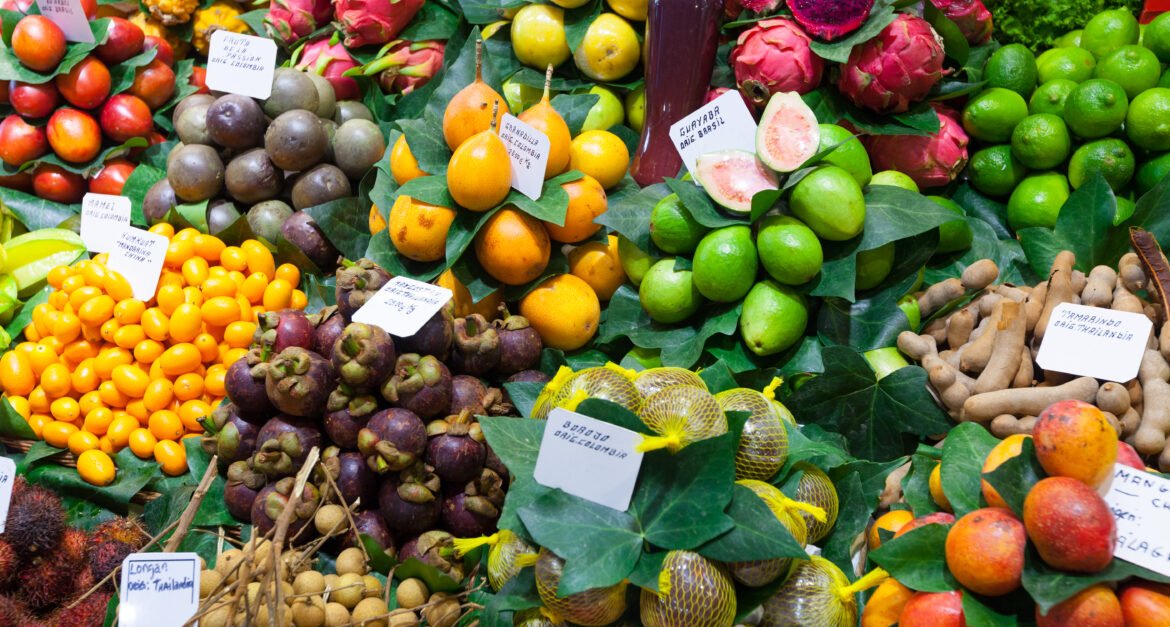
Importing fresh fruits in India has become a routine requirement for supermarkets, retailers, hotels, QSR chains and wholesale distributors. With customers now expecting consistent quality throughout the year, businesses rely on global sourcing for apples, kiwis, oranges, pears, grapes and several premium fruit varieties.
The process, however, is not as straightforward as placing an order. Importing involves a mix of compliance work, temperature-sensitive logistics and close coordination between suppliers, shipping partners and port authorities. A small mistake in any of these stages can lead to quality loss or delays. This guide explains how businesses can import fresh fruits in India and how choosing the right partner makes the entire workflow easier and more reliable.
Why Indian Businesses Rely on Imported Fruits
Imported fruits have become a regular part of the supply chain for many businesses. The main reasons include:
- Consistent size, texture and sweetness
- Better shelf life
- Year-round availability
- Higher customer interest in premium categories
- Strong visual appeal in retail displays
Fruits like kiwi, Washington apples, South African pears and Peruvian blueberries provide qualities that are hard to replicate with inconsistent seasonal supply in India.
Challenges Businesses Face While Importing Fruits
The main challenges usually appear during logistics, documentation and post-arrival handling. Some of the most common ones include:
- Finding verified suppliers and packhouses
- Aligning with phytosanitary and FSSAI requirements
- Ensuring correct packaging before shipment
- Delays during customs clearance
- Maintaining cold chain temperature from origin to destination
- Managing duty changes and shipping timelines
- Minimising damage at the port and last-mile delivery
These challenges are easier to manage when working with an experienced import partner
Seasonal Sourcing Patterns for Imported Fruits
The availability and pricing of imported fruits depend on global harvest cycles. Understanding these patterns helps businesses plan better. Here are a few common examples:
- USA apples are generally available from September to April
- Kiwi from New Zealand is available from April to October
- Chile supplies apples and kiwi between February and July
- South African oranges and pears come in from February to October
- Peru and the Netherlands supply blueberries across several months of the year
- Spanish oranges usually arrive from November to April
Knowing these cycles helps businesses maintain stable inventory and avoid sudden price fluctuations.
Container-Level and Pallet-Level Buying
Fruit importers usually choose between full container loads and pallet-level shipments. Both options serve different needs.
Container-Level Imports
This works well for larger buyers such as supermarket chains and big wholesalers. It offers:
- Better pricing
- Uniform fruit grades
- Lower chances of mixed handling
- Steady volume supply
Pallet-Level Imports
This is more suitable for medium-sized retailers, hotels and businesses that buy selective varieties. It allows:
- Smaller investment
- Variety sampling
- Flexibility during off-seasons
Choosing the right option depends on your demand and storage capacity.
How Cold Chain Impacts Quality and Cost
Fresh fruits react quickly to temperature changes. Even a small fluctuation can affect firmness or shelf life. In many cases, a temperature change of just a few degrees can increase damage significantly. This is why businesses focus heavily on:
- Arrival temperature
- Humidity levels
- Duration of exposure during unloading
- Immediate transfer to cold storage
A stable cold chain keeps fruit quality intact and reduces wastage, which directly affects overall cost.
How Businesses Import Fresh Fruits in India
Here is a simplified view of how the import process usually works.
Step 1: Decide the Fruit Type and Sourcing Country
Businesses select fruits based on customer demand and global availability. Some examples include:
- Washington apples from the USA
- Kiwi from Italy, Turkey, Chile and New Zealand
- Pears and oranges from South Africa
- Blueberries from Peru and the Netherlands
- Apples from Italy, Turkey and Poland
Step 2: Review Documentation and Compliance
Fruits must meet specific import requirements, including:
- Phytosanitary certificates
- FSSAI documentation
- Correct labeling
- Approved packhouse sourcing
- Pre-shipment inspection
Step 3: Confirm Orders With Certified Suppliers
This stage covers planning the grade, carton type, pallet structure and shipment date. Many businesses prefer working with a trusted fruit import partner who manages these technical details.
Step 4: Maintain Cold Chain Throughout Transit
Different fruits need different temperature levels. For example:
- Apples and kiwi: 0 to 4°C
- Citrus fruits: 3 to 8°C
- Grapes: -1 to 0°C
Consistent temperature from origin to arrival is essential for preserving freshness.
Step 5: Complete Customs Clearance
Major ports such as Nhava Sheva, Mundra, Chennai and Kolkata handle most fruit imports. Clearance involves document checks, inspection, sampling and duty payment.
Step 6: Delivery and Distribution
Once cleared, fruits are unloaded, sorted and moved to storage or dispatched immediately through cold chain vehicles.
Common Imported Fruits in India
Some of the most in-demand imported fruits include:
Apples
Washington, Gala, Granny Smith and Fuji varieties
Kiwi
Green and gold kiwi sourced from New Zealand, Italy and Chile
Oranges
Valencia and Navel oranges from Egypt, Spain and South Africa
Grapes
Crimson seedless and Red Globe varieties
Pears
Green and red pears from South Africa and Spain
Exotic Fruits
Avocado, blueberries, cherries, dragon fruit, nectarines and plums
Why the Right Import Partner Matters
A dependable import partner helps businesses by handling:
- Sourcing from certified farms
- Export-grade packing
- Temperature monitoring
- Shipping coordination
- Customs and FSSAI processes
- Cold chain delivery
- Seasonal planning
- Predictable volume supply
This reduces operational pressure and maintains consistent quality for retailers and hospitality buyers.
How TMA LLP Assists Businesses With Fruit Imports
TMA LLP works with supermarkets, hotels, QSR chains, wholesale buyers and retailers across India. Our support includes:
- Sourcing from approved farms and packhouses
- Shipment planning and container loading
- Temperature-controlled handling
- Port coordination and clearance
- Cold chain distribution
- Regular supply planning throughout the year
For a more detailed overview, you can visit our import fresh fruits service page.
Conclusion
Importing fresh fruits in India requires careful planning and dependable execution. When managed correctly, it offers stable quality, longer shelf life and better customer response. Working with an experienced partner ensures that sourcing, cold chain logistics and compliance checks are handled with precision.
